Conceptual Message UI Design: Elevating Digital Communication Interfaces
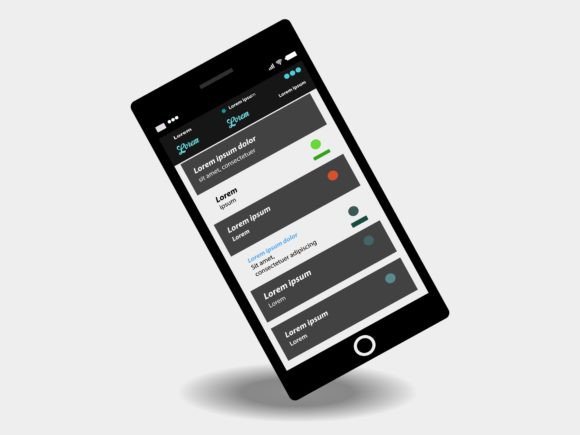
In the rapidly evolving landscape of digital product development, the interface through which users communicate is often the most critical touchpoint. Conceptual Message UI Design represents more than just aesthetic arrangement; it is the strategic fusion of visual hierarchy, user psychology, and functional clarity. For designers, developers, and product managers, understanding the nuances of a conceptual message phone screen application interface presentation is essential for creating engaging, intuitive, and effective communication tools. Whether you are building a new social platform, a customer support chatbot, or an internal enterprise messaging system, the quality of your UI and UX design directly impacts user retention and satisfaction.
Understanding the Core of Conceptual Message UI Design
At its heart, Conceptual Message UI Design is about translating abstract communication needs into tangible visual elements. It involves crafting a layout that feels natural to the user while guiding them seamlessly through the conversation flow. Unlike static web pages, messaging interfaces are dynamic, real-time environments where content length varies, media types shift, and user intent changes rapidly. A successful design must account for these variables without cluttering the screen or confusing the user.
The "conceptual" aspect refers to the underlying logic and structure that supports the visual layer. It is not merely about choosing colors or fonts but about defining how messages appear, how notifications are handled, and how users interact with threaded conversations. This approach ensures that the final product is not just visually appealing but also highly functional across various devices and screen sizes.
Common Challenges in Messaging Interface Development
Designers often face several hurdles when creating messaging applications. One of the primary challenges is maintaining readability across different contexts. Users may be reading long paragraphs of text, viewing high-resolution images, or interacting with complex interactive cards within the same chat stream. Without a robust UI, UX design strategy, the interface can become disjointed, leading to cognitive overload.
Another significant issue is scalability. As features expand—adding voice notes, video calls, file sharing, and status updates—the interface must remain clean and navigable. Many early-stage applications suffer from feature creep, where the addition of new tools clutters the primary communication space. Furthermore, ensuring consistency across different operating systems (iOS and Android) requires meticulous attention to detail, as each platform has distinct design guidelines and user expectations.
Accessibility is also a critical concern. A poorly designed message interface can exclude users with visual impairments or motor difficulties. Ensuring sufficient contrast, scalable text, and keyboard navigation compatibility is not just a legal requirement in many regions but a moral imperative for inclusive design.
How Conceptual Message UI Design Provides Solutions
Adopting a structured approach to Conceptual Message UI Design helps address these challenges by prioritizing user needs and technical feasibility. By starting with a strong conceptual framework, designers can create flexible systems that adapt to various content types and user behaviors. This method emphasizes clarity, consistency, and efficiency, ensuring that every element on the screen serves a purpose.
For instance, a well-designed message bubble system uses color coding and alignment to distinguish between sent and received messages instantly. Typography choices are made to enhance readability, with appropriate line spacing and font weights that reduce eye strain during prolonged use. Additionally, intelligent use of whitespace prevents the interface from feeling cramped, allowing users to focus on the content of the conversation rather than the container.
Moreover, this design philosophy encourages the use of modular components. Instead of designing each screen from scratch, designers create reusable elements such as input fields, attachment buttons, and profile headers. This not only speeds up the development process but also ensures a consistent look and feel throughout the application.
Practical Applications and Outcomes
The impact of high-quality Conceptual Message UI Design extends beyond aesthetics. It directly influences key performance indicators such as user engagement, session duration, and conversion rates. In e-commerce applications, for example, a seamless chat interface can significantly improve customer support experiences, leading to higher satisfaction and increased sales. In social networking apps, an intuitive messaging system encourages more frequent interactions, fostering stronger community bonds.
Consider the case of a healthcare telemedicine app. Here, the messaging interface must convey trust and professionalism. Clear visual cues, secure indicators, and easy access to medical records within the chat window can enhance the patient-doctor interaction. Similarly, in enterprise software, efficient messaging tools can streamline collaboration, reducing email dependency and accelerating decision-making processes.
By focusing on the user journey, designers can identify pain points and optimize the interface accordingly. For example, if users frequently struggle to find shared files, the design can incorporate a dedicated media gallery tab within the chat thread. These small improvements, driven by a solid conceptual foundation, can lead to substantial gains in usability.
The Importance of Vector-Based Assets in UI Design
A crucial component of executing high-quality Conceptual Message UI Design is the use of scalable vector graphics. When working with interface elements, precision and flexibility are paramount. This is why many professional designers rely on vector-based files such as SVG, EPS, AI, and PNG formats. These formats ensure that every icon, button, and illustration remains crisp and clear, regardless of the screen resolution or zoom level.
The ZIP archive associated with professional design resources typically contains these versatile file types. SVG files are particularly valuable for web and mobile development because they are lightweight and can be styled directly with CSS. This allows for dynamic changes in color and size without losing quality. Meanwhile, AI and EPS files provide the editable source material for designers who need to customize elements further using software like Adobe Illustrator.
High-resolution quality is non-negotiable in modern design. With the prevalence of Retina displays and 4K screens, assets must maintain their integrity at 300 dpi or higher. Vector-based files meet this requirement effortlessly, ensuring that your Conceptual Message UI Design looks professional on any device. This scalability also simplifies the handoff process between designers and developers, as the same assets can be used for both prototype presentations and final production code.
Tailoring the Approach for Different Users
Different stakeholders approach Conceptual Message UI Design with varying priorities. For startup founders, the focus might be on speed to market and cost-efficiency. They benefit from ready-to-use templates and vector assets that can be quickly customized and implemented. For established enterprises, the emphasis may be on brand consistency and accessibility compliance, requiring more detailed customization and rigorous testing.
Freelance designers often seek flexible resources that allow them to experiment with different styles. The availability of instant download options for design kits enables them to iterate rapidly and present multiple concepts to clients. On the other hand, in-house design teams may prioritize integration with existing design systems, looking for assets that align with their specific grid structures and typography scales.
Regardless of the user type, the goal remains the same: to create a messaging experience that feels effortless and intuitive. By leveraging high-quality vector assets and adhering to best practices in UI, UX design, professionals can achieve this goal efficiently.
Implementation Recommendations and Best Practices
To successfully implement Conceptual Message UI Design, start by defining your core user personas and their primary communication scenarios. Map out the typical user flows, identifying potential friction points where the interface could fail. Use wireframes to test layout ideas before committing to high-fidelity designs.
When selecting assets, prioritize versatility. Ensure that your ZIP archive includes all necessary formats—SVG, EPS, AI, PNG—to accommodate different stages of the design and development process. Verify that the files are compatible with your preferred design tools and that they meet the required resolution standards.
Testing is another critical phase. Conduct usability tests with real users to gather feedback on the interface's clarity and ease of use. Pay attention to how users interact with different message types and navigation elements. Use this data to refine your design, making iterative improvements based on actual user behavior.
Finally, stay updated with emerging trends in messaging technology. Features like end-to-end encryption indicators, read receipts, and reaction emojis are becoming standard expectations. Incorporating these elements thoughtfully into your Conceptual Message UI Design can enhance the overall user experience and keep your application competitive.
In conclusion, mastering Conceptual Message UI Design is a journey of balancing form and function. By understanding user needs, leveraging high-quality vector assets, and following best practices in UI, UX design, you can create messaging interfaces that are not only beautiful but also highly effective. Whether you are downloading ready-made resources or building from scratch, the principles outlined here will guide you toward creating superior digital communication experiences.