Integrating the New Web Ding Web Element - Recycle Icon into Modern Design Workflows
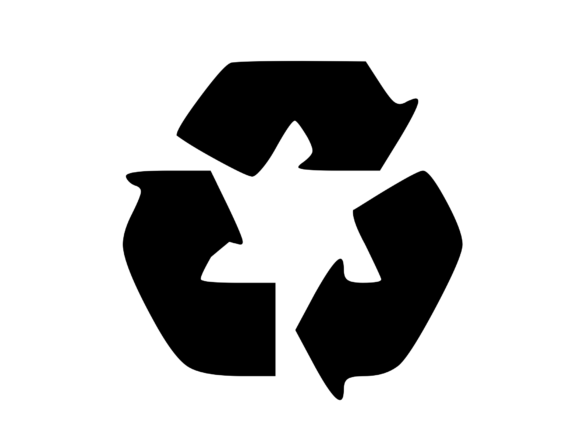
In the fast-paced ecosystem of digital creation, the efficiency of your asset library directly correlates with the speed and quality of your output. Whether you are a graphic designer finalizing a brand identity, a print-on-demand entrepreneur launching a new eco-friendly apparel line, or a UI developer refining an interface, the components you choose matter. The New Web Ding Web Element - Recycle Icon represents more than just a static image; it is a versatile vector asset designed to streamline the creative process for artists, designers, and crafters. By understanding how to effectively integrate this SVG file into your broader workflow, you can enhance consistency, reduce production time, and ensure high-quality reproduction across various media.
The Strategic Value of Vector Assets in Design Processes
Before diving into specific applications, it is essential to understand why a dedicated web ding element like this recycle icon is a superior choice compared to raster images or generic clip art. In professional design workflows, scalability and editability are non-negotiable. An SVG (Scalable Vector Graphics) file allows you to resize the icon from a tiny favicon to a large-format poster without any loss in resolution. This flexibility is crucial when you are working across multiple platforms, such as creating a cohesive visual identity that spans a website, social media graphics, and physical merchandise.
The New Web Ding Web Element - Recycle Icon is built with clean paths and optimized nodes, making it ideal for both digital and physical production. For UI/UX designers, this means faster load times and crisp rendering on high-density displays. For crafters and POD sellers, it ensures that cutting machines and printers interpret the lines accurately, reducing material waste and improving the final product's aesthetic. By selecting a high-quality, mono-style glyph, you are investing in a tool that adapts to your needs rather than forcing you to adapt to its limitations.
Pre-Production: Preparation and Compatibility Checks
Successful implementation begins before you even open your design software. Integrating the New Web Ding Web Element - Recycle Icon into your project starts with organizing your digital assets. Establish a standardized folder structure for your icons and glyphs. This practice saves significant time during the retrieval phase, especially when working on tight deadlines. Ensure that the SVG file is stored in a location accessible to all team members if you are collaborating, or backed up securely if you are a solo freelancer.
Compatibility is another critical factor. While SVG is a universal standard, different software handles vector data differently. Test the file in your primary tools—whether that is Adobe Illustrator, Figma, Canva, or Cricut Design Space. Verify that the paths are closed and that there are no stray anchor points that could cause issues during cutting or printing. For web developers, check how the icon renders in different browsers and ensure it aligns with your site’s accessibility standards. This preliminary quality control prevents bottlenecks later in the production pipeline.
Execution: Integrating the Icon into Creative Workflows
Once prepared, the New Web Ding Web Element - Recycle Icon can be deployed across various stages of your creative projects. Its utility extends far beyond simple decoration; it serves as a functional symbol that communicates values of sustainability, renewal, and circular economy principles. Here is how you can leverage this asset in different contexts:
- Digital Interface Design: Use the icon to indicate refresh actions, recycling bins, or eco-friendly features within an app or website. Its clean, mono style ensures it blends seamlessly with modern minimalist UI trends. You can easily recolor the SVG via CSS to match hover states or active themes, enhancing user experience without additional graphic design work.
- Print-on-Demand Merchandise: For entrepreneurs selling t-shirts, mugs, and posters, this icon is a standout element. Its bold lines translate well to screen printing and direct-to-garment techniques. You can combine it with typography to create compelling messages about environmental responsibility. The simplicity of the design allows it to stand out on textured fabrics or curved surfaces like ceramic mugs.
- Educational and Institutional Materials: Educators and publishers can use this glyph in school posters, worksheets, and presentations to teach concepts related to waste management and sustainability. The clear, recognizable shape makes it an effective visual aid for students of all ages.
- Branding and Marketing Collateral: If your brand emphasizes green initiatives, incorporate this icon into your logo variations, business cards, and packaging. Consistency in using this specific web ding element helps reinforce brand recognition and communicates your commitment to eco-conscious practices.
Post-Production: Quality Control and Long-Term Usability
After implementing the New Web Ding Web Element - Recycle Icon, the workflow does not end. Review the final outputs to ensure the icon maintains its integrity across all mediums. For digital products, check pixel perfection on various screen sizes. For physical goods, inspect the printed or cut results for clarity and alignment. Document any adjustments made during this phase, such as specific color codes or size constraints, to create a style guide for future projects. This documentation ensures that anyone working on subsequent campaigns can replicate the success and maintain visual consistency.
Long-term usability also involves keeping your asset library updated. As design trends evolve, you may need to adjust the styling of your icons. However, because this is a vector file, you have the freedom to modify the stroke width, add effects, or combine it with other elements without starting from scratch. This adaptability makes the New Web Ding Web Element - Recycle Icon a cost-effective investment that continues to provide value over time.
Enhancing Efficiency Through Standardization
One of the most significant benefits of using a standardized web ding element is the reduction of decision fatigue. When you have a go-to icon for specific functions or themes, you eliminate the need to search for new assets for every project. This efficiency allows you to focus on higher-level creative decisions, such as layout composition and messaging strategy. Furthermore, using a consistent icon set improves the professional appearance of your work, signaling attention to detail and coherence to your audience.
For teams, standardization facilitates better collaboration. When everyone uses the same approved assets, there is less risk of brand dilution or inconsistent user experiences. Share the New Web Ding Web Element - Recycle Icon file along with usage guidelines to ensure that designers, developers, and marketers are all aligned. This collaborative approach streamlines the review process and accelerates time-to-market for new products and campaigns.
Practical Tips for Maximum Impact
To get the most out of this fantastic SVG, consider these practical implementation tips:
- Contrast and Visibility: Ensure the icon has sufficient contrast against its background. For dark modes, invert the color or use a light stroke. For printed materials, test on different paper textures to guarantee visibility.
- Contextual Pairing: Pair the recycle icon with complementary graphics or text that reinforce the message. Avoid cluttering the design; let the icon breathe by providing adequate white space around it.
- Animation Potential: In digital environments, consider animating the SVG to draw attention. Simple rotations or path drawings can make the icon more engaging without compromising its clarity.
- Accessibility Considerations: Always include appropriate alt text when using the icon on the web. Describe its function (e.g., "Recycle button" or "Eco-friendly certification") to ensure inclusivity for users relying on screen readers.
In conclusion, the New Web Ding Web Element - Recycle Icon is a powerful tool for anyone involved in design, crafting, or digital content creation. By integrating this asset into your workflow with intention and precision, you can enhance the quality, consistency, and efficiency of your projects. Whether you are decorating a mug, designing a website, or crafting a educational poster, this SVG offers the flexibility and professionalism needed to stand out in a crowded marketplace. Embrace the versatility of vector graphics and let this icon serve as a cornerstone of your creative toolkit.