Mastering Modern Web Design with 19. Pricing Plan UI Elements
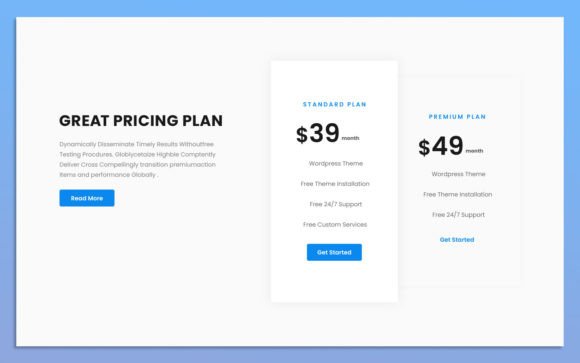
In the competitive landscape of digital product design, the pricing page is often the final hurdle before a conversion occurs. It is not merely a list of costs; it is a psychological interface that communicates value, trust, and clarity. For designers and developers, creating this interface requires a delicate balance between aesthetic appeal and functional transparency. This is where specialized resources like 19. Pricing Plan UI Elements become invaluable. These creative and colorful user interface components are designed to streamline the workflow for professionals building websites, mobile applications, and service platforms. By leveraging pre-designed, fully customizable assets, creators can ensure their pricing structures are not only visually striking but also optimized for user experience.
The Strategic Importance of Visual Clarity in Pricing
When potential customers evaluate a service, they are looking for immediate comprehension. A cluttered or confusing pricing table can lead to decision paralysis, causing users to abandon the purchase process entirely. The primary advantage of utilizing structured UI elements is the ability to present complex information in a digestible format. Simple, clean, and modern design principles dictate that whitespace, typography, and color hierarchy work together to guide the eye.
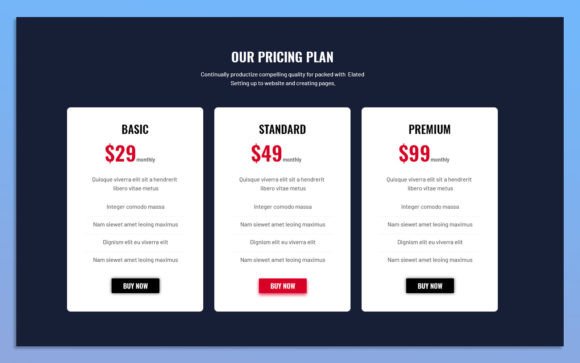
Using a resource that offers fully organized layers allows designers to manipulate these hierarchies with precision. For instance, highlighting a "Pro" or "Enterprise" tier through subtle color shifts or scale adjustments can nudge users toward higher-value plans without being aggressive. The 19. Pricing Plan UI Elements package provides a foundation for this strategic presentation, ensuring that every element, from the header to the call-to-action button, serves a specific purpose in the conversion funnel.
Customization and Flexibility for Diverse Brands
One of the most significant challenges in web design is maintaining brand consistency across different pages. Generic templates often fail to align with specific brand identities, requiring extensive rework. However, high-quality UI kits are built with flexibility in mind. The ability to easy change color style is a critical feature for any modern design asset. Whether your brand relies on vibrant, energetic hues or muted, professional tones, the underlying structure of the UI element should adapt seamlessly.
These elements are typically delivered in Source file format PSD, which remains the industry standard for detailed graphic manipulation. Adobe Photoshop provides robust tools for adjusting gradients, shadows, and textures, allowing for a level of customization that code-only solutions sometimes lack during the prototyping phase. With Google Fonts integration, designers can also ensure that the typography matches the rest of their digital ecosystem, creating a cohesive visual narrative from the homepage to the checkout page.
Adapting to Various Digital Platforms
The versatility of these UI elements extends beyond traditional desktop websites. In an era where mobile traffic dominates, responsive design is non-negotiable. Creative and colorful pricing plan UI elements are constructed to be scalable. This means they can be adapted for:
- SaaS Applications: Where tiered subscriptions are the norm, and feature comparison is key.
- E-commerce Services: For bundling products or offering membership discounts.
- Mobile Apps: Where screen real estate is limited, and concise information display is crucial.
- Freelance Portfolios: Allowing independent creators to clearly outline their service packages.
By starting with a solid PSD base, developers can extract assets that are optimized for various resolutions, ensuring that the pricing table looks crisp on retina displays and functions smoothly on smaller smartphone screens.
Enhancing Workflow Efficiency for Designers and Developers
Time is a precious resource in any creative project. Building a pricing table from scratch involves numerous decisions regarding spacing, alignment, color theory, and interactive states. By utilizing 19. Pricing Plan UI Elements, professionals can bypass the initial drafting phase and move directly to refinement. This efficiency does not come at the cost of quality; rather, it leverages the expertise embedded in the template’s design.
The fully organized layers feature is particularly beneficial for collaboration. When a designer hands off a file to a developer, clear labeling and grouping of layers reduce miscommunication. Developers can easily identify which elements are static backgrounds, which are dynamic text fields, and which are interactive buttons. This clarity accelerates the coding process, whether the final implementation is in HTML/CSS, React, Vue, or another framework. The result is a faster time-to-market for new features or entire products.
The Role of Color Psychology in Conversion
Color is not just an aesthetic choice; it is a communication tool. Creative and colorful designs can evoke specific emotions that influence purchasing behavior. For example, blue often instills trust and security, making it a popular choice for financial services or enterprise software. Green is associated with growth and success, frequently used in health or eco-friendly products. Orange and yellow can create a sense of urgency or excitement, suitable for limited-time offers or creative agencies.
With UI elements that allow for easy color modification, designers can A/B test different color schemes to see which resonates best with their audience. The RGB Color format ensures that these colors are displayed accurately on digital screens, maintaining the integrity of the design intent. By experimenting with the vibrant options provided in such UI kits, businesses can find the perfect emotional trigger for their specific market segment.
Key Features That Define Quality UI Assets
Not all design resources are created equal. When selecting UI elements for critical pages like pricing, certain features distinguish premium assets from basic templates. Understanding these characteristics helps professionals make informed decisions about the tools they integrate into their workflow.
- Modern Aesthetic: The design should reflect current trends, such as flat design, neumorphism, or glassmorphism, ensuring the website feels contemporary and credible.
- Editable Components: Every text field, icon, and button should be easily editable. This allows for quick updates when pricing structures change or new features are added.
- Font Compatibility: Support for Google Fonts ensures access to a vast library of typefaces, facilitating better typographic hierarchy and readability.
- Layer Organization: A messy file is a productivity killer. Well-grouped and named layers enable rapid navigation and editing within Adobe Photoshop.
- Scalability: Vector-based elements or high-resolution raster graphics ensure that the design remains sharp regardless of the display size.
These features collectively contribute to a simple, clean, and modern design that enhances user trust. When a pricing page looks professional and polished, it subconsciously signals to the user that the service itself is reliable and high-quality.
Implementing UI Elements for Real-World Results
The transition from design file to live website is a critical phase. While the 19. Pricing Plan UI Elements provide the visual blueprint, successful implementation requires attention to detail. Developers should ensure that the interactive states—such as hover effects on buttons or toggles for monthly versus annual billing—are smooth and intuitive. These micro-interactions add a layer of polish that distinguishes a good user experience from a great one.
Furthermore, accessibility must be considered. High contrast between text and background colors, clear font sizes, and logical tab orders are essential for making pricing information accessible to all users, including those with visual impairments. The clean structure of well-designed UI elements often facilitates this compliance, as they are typically built with standard web conventions in mind.
For business owners and educators, understanding the value of these design assets can lead to better resource allocation. Instead of spending hundreds of hours designing a single page, teams can invest in high-quality UI kits and focus their efforts on content strategy, marketing, and product development. This shift in focus can yield higher returns on investment, as the core product improves while the presentation remains professional and engaging.
Future-Proofing Your Design Strategy
As digital trends evolve, so too must the interfaces we build. Investing in versatile UI elements allows for easier updates and redesigns in the future. Because these assets are fully editable and based on standard formats like PSD, they do not lock users into proprietary systems. This flexibility ensures that as your brand grows and changes, your pricing presentation can evolve alongside it. Whether you are launching a startup, revamping an educational platform, or updating a corporate service portal, having a robust set of pricing UI elements is a strategic asset that supports long-term digital success.
In conclusion, the integration of 19. Pricing Plan UI Elements into your design workflow offers a blend of aesthetic sophistication and practical efficiency. By prioritizing clarity, customization, and modern design principles, professionals can create pricing experiences that not only look exceptional but also drive meaningful business results. The ability to easily modify colors, fonts, and layouts ensures that every project remains unique and aligned with its specific brand identity, ultimately fostering trust and encouraging conversion in an increasingly crowded digital marketplace.