Mastering the Visual Rhythm: Elevating Your Brand with Music Social Media Post Templates
In the saturated landscape of digital marketing, capturing attention is no longer just about what you say; it is fundamentally about how you look while saying it. For musicians, producers, event promoters, and music-centric brands, the visual component of your online presence is as critical as the audio itself. A music social media post serves as the digital storefront for your art, acting as the first point of contact for potential fans who may never hear a single note if the visual hook fails to engage them. In an era where scrolling speed determines visibility, high-quality, professional design is not a luxury—it is a necessity.
The evolution of social media algorithms has shifted preference toward content that retains user attention. Static images, when designed with precision and aesthetic appeal, continue to perform exceptionally well, particularly when they convey mood, genre, and brand identity instantly. This is where professionally crafted design templates become invaluable tools for creators who need to maintain a consistent output without sacrificing quality or spending excessive hours on graphic design software.
The Strategic Importance of Visual Consistency in Music Marketing
Music is an emotional experience, and your visual content should mirror that emotion. Whether you are promoting a new single, announcing a tour date, or sharing behind-the-scenes content, the design elements—typography, color palette, and layout—must align with the sonic identity of the project. A disjointed visual strategy can confuse your audience and dilute your brand recognition. Conversely, a cohesive visual language builds trust and familiarity.
Modern audiences expect a seamless experience across platforms. A fan discovering your work on Instagram should recognize the same aesthetic on your Facebook events or Pinterest boards. This consistency reinforces brand recall. However, maintaining this level of polish requires resources. Many independent artists and small labels lack the budget for a full-time graphic designer. This gap has led to a surge in demand for high-quality, editable design assets that allow creators to produce professional-grade content independently.
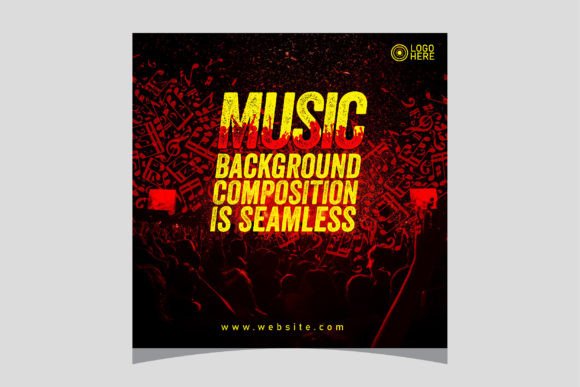
By utilizing structured templates, you ensure that every post adheres to a standard of excellence. These templates are not merely placeholders; they are foundational frameworks designed by professionals who understand composition, balance, and visual hierarchy. When you start with a strong base, you reduce the cognitive load of design, allowing you to focus on the message and the music.
Understanding the Technical Advantage of Vector-Based Designs
When selecting design resources for your music marketing, the file format is as important as the aesthetic. The most versatile and professional templates are delivered in vector formats, specifically AI (Adobe Illustrator), EPS, and SVG. Understanding why these formats matter can significantly improve your workflow and final output quality.
Unlike raster images (such as JPEGs or PNGs), which are made of pixels and lose quality when resized, vector graphics are based on mathematical paths. This means they can be scaled infinitely without any loss of resolution. For a music social media post, this flexibility is crucial. You might need the same design for a square Instagram post, a vertical Story, a horizontal Facebook cover, or even a large-format printed flyer for a venue. With vector files, you can adjust the dimensions to fit any platform while keeping edges crisp and text sharp.
Furthermore, vector files offer unparalleled editability. While the text in many premium templates may be non-editable to preserve specific typographic integrity, the surrounding design elements—shapes, icons, backgrounds, and decorative vectors—are fully customizable. You can change colors to match your album art, rearrange elements to suit different aspect ratios, or remove components to simplify the design. This level of control empowers users with basic Adobe Illustrator knowledge to tailor the template to their specific needs without starting from scratch.
Key Features of Professional Music Design Templates
To maximize the impact of your social media presence, it is essential to choose templates that offer both aesthetic appeal and technical robustness. High-quality design assets typically include several key features that distinguish them from amateur alternatives.
- Multiple File Formats: Premium packages usually include AI CS, EPS CS, and SVG files. This ensures compatibility with various design software and workflows. The EPS format, in particular, is widely supported and ideal for users who may not have the latest version of Adobe Illustrator.
- High Resolution and DPI: While vectors are resolution-independent, any included raster elements or exported previews should be high quality, often at 300 DPI. This ensures that if you decide to print promotional materials, the image remains sharp and professional.
- Clean and Professional Layouts: Effective designs avoid clutter. They use white space strategically to guide the viewer’s eye to the most important information, such as the artist’s name, release date, or call to action.
- Customizable Vector Elements: The ability to modify vector-based designs allows for creative freedom. You can adapt the template to reflect seasonal themes, specific genres, or branding updates without compromising the structural integrity of the design.
It is important to note that while these templates provide the structural and graphical framework, they typically do not include copyrighted photographs or specific imagery. This is intentional, allowing you to insert your own high-quality photos, album covers, or brand assets. This approach ensures that your content remains unique and legally sound, avoiding the pitfalls of using stock imagery that may appear generic or licensed improperly.
Adapting to Modern Workflow Demands
The pace of social media demands consistency. Posting sporadically can hinder growth, yet creating unique designs for every post is time-consuming. Template-based workflows offer a sustainable solution. By establishing a library of go-to designs, you can streamline your content creation process. This efficiency allows you to respond quickly to trends, announce last-minute changes, or maintain a regular posting schedule without burnout.
For entrepreneurs and marketers managing multiple artists or brands, this scalability is vital. Templates enable the rapid production of varied content while maintaining a distinct visual identity for each client. The ability to open an EPS file in Adobe Illustrator, swap out colors, update text, and export within minutes transforms a hours-long task into a manageable routine.
Moreover, the professional appearance of vector-based templates enhances perceived value. In the music industry, perception often influences opportunity. A polished social media presence suggests professionalism, reliability, and seriousness about the craft. This can influence playlist curators, venue bookers, and potential collaborators who evaluate artists based on their overall brand presentation.
Practical Tips for Customizing Your Music Social Media Posts
To get the best results from your design templates, consider the following practical recommendations:
- Master the Basics of Adobe Illustrator: While you do not need to be an expert, familiarity with layers, selection tools, and color panels will significantly enhance your ability to customize templates. Many online tutorials can help you learn these basics quickly.
- Maintain Brand Colors: Use the template’s color customization features to align with your established brand palette. Consistency in color helps reinforce brand recognition across all platforms.
- Prioritize Readability: Ensure that text elements contrast well with the background. Avoid placing light text over light backgrounds or dark text over dark areas. Clarity is key to effective communication.
- Optimize for Each Platform: Although vectors are scalable, always check the specific dimension requirements for each social media platform. Adjust your canvas size accordingly before exporting to ensure optimal display.
- Seek Support When Needed: If you encounter difficulties or require specific customizations beyond your skill set, do not hesitate to contact the designer. Many graphic stores offer customization services or support to help you achieve the desired result.
In conclusion, investing in high-quality, editable design templates is a strategic move for anyone serious about music marketing. It bridges the gap between professional aesthetics and practical workflow efficiency. By leveraging vector-based assets, you gain the flexibility to create diverse, high-impact content that resonates with your audience and elevates your brand. Welcome to a new standard of visual storytelling, where your music is supported by design that is as compelling as the sound itself.