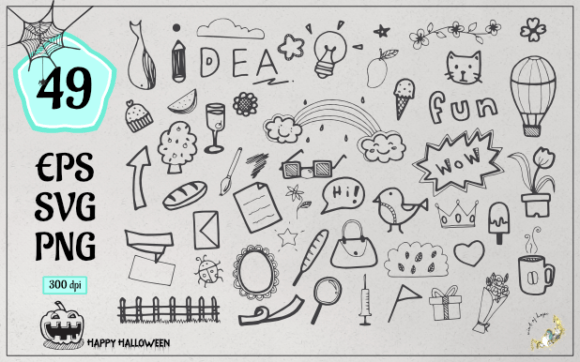
Enhancing Digital Design with Web Element Doodle Vector Graphics
In the rapidly evolving landscape of digital design, the demand for authentic, hand-crafted aesthetics has surged. Users are increasingly fatigued by sterile, corporate templates and generic stock imagery. This shift has placed Web Element Doodle Vector assets at the forefront of modern web development and graphic design strategies. These resources offer a unique blend of organic charm and technical precision, allowing creators to infuse personality into websites, applications, and marketing materials without sacrificing performance or scalability.
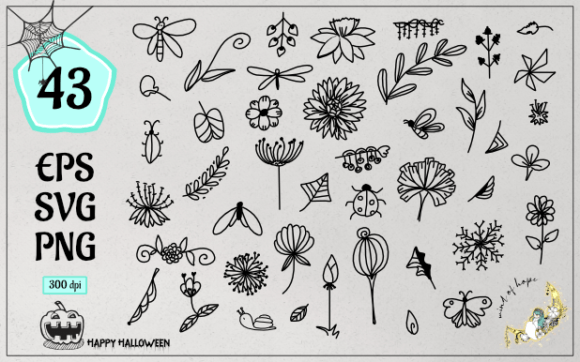
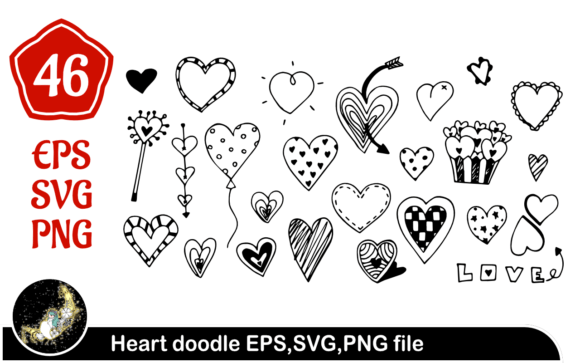
For designers, developers, and content creators, the challenge often lies in balancing visual appeal with functional efficiency. Hand-drawn elements can sometimes appear pixelated on high-resolution screens or result in heavy file sizes that slow down page load times. The solution is found in the versatile nature of vector-based doodles. By leveraging a comprehensive pack that includes EPS, SVG, and high-resolution PNG files, professionals can achieve a cohesive, engaging visual language that resonates with audiences while maintaining technical robustness.
The Strategic Value of Hand-Drawn Aesthetics
The primary goal of incorporating doodle elements into web design is to humanize the digital experience. Unlike rigid geometric shapes, doodles convey warmth, approachability, and creativity. This is particularly crucial for brands aiming to build trust and connection with their audience. Whether it is an educational platform seeking to make learning feel less intimidating, or a startup wanting to appear innovative and friendly, Web Element Doodle Vector graphics serve as powerful psychological triggers.
However, implementing these elements requires more than just dropping an image onto a canvas. Designers must consider consistency, scalability, and integration. A common pitfall is using raster images that lose quality when resized or take too long to load. This is where the specific file formats included in a professional doodle pack become essential. Understanding how to utilize EPS, SVG, and PNG files effectively allows creators to overcome these technical hurdles and deliver a seamless user experience.
Understanding the File Formats: What You Get in the Zip
A high-quality resource pack is defined by its versatility. When you download a comprehensive Web Element Doodle Vector collection, the zip file typically contains three distinct formats, each serving a specific purpose in the design workflow. Knowing when to use each format is key to maximizing the value of the asset.
- EPS File: The Encapsulated PostScript (EPS) format is the industry standard for print and professional illustration software. It is ideal for designers working in Adobe Illustrator or CorelDRAW. EPS files allow for complete editability of paths, colors, and strokes. If you need to modify the shape of a doodle, change its line weight, or integrate it into a larger printed brochure, the EPS file is your go-to resource. It ensures that the vector data remains intact, allowing for infinite scaling without quality loss.
- SVG File: Scalable Vector Graphics (SVG) are the backbone of modern web design. Unlike EPS, which is primarily for editing, SVGs are code-based and can be directly embedded into HTML. This makes them incredibly lightweight and perfect for responsive web design. An SVG doodle will look crisp on any device, from a small smartphone screen to a large 4K monitor. Furthermore, SVGs can be styled and animated using CSS and JavaScript, offering dynamic interactions that static images cannot achieve.
- PNG Files (300dpi with Translucent Background): While vectors are superior for scalability, there are situations where raster images are necessary. The inclusion of 49 PNG files at 300dpi with translucent backgrounds provides immediate usability for platforms that do not support vector uploads, such as certain social media channels, email marketing tools, or presentation software like PowerPoint. The high resolution ensures clarity, while the transparent background allows for easy layering over any color or image without unsightly white boxes.
Practical Applications for Different User Groups
The utility of Web Element Doodle Vector assets extends across various disciplines. Different users will approach these files with unique objectives, yet the core benefit remains the same: enhanced visual communication.
For Web Developers and UI/UX Designers
Developers prioritize performance and responsiveness. For this group, the SVG files are the most valuable component. By embedding SVGs directly into the code, developers can reduce HTTP requests and improve page load speeds. Additionally, SVGs can be manipulated via code to change colors based on user interaction or theme settings (such as dark mode). For example, a doodle arrow used to guide a user through a tutorial can change color when hovered over, providing immediate visual feedback. This level of interactivity enhances usability and keeps users engaged.
For Graphic Designers and Brand Strategists
Designers focus on brand identity and visual consistency. The EPS files allow them to customize the doodles to match specific brand guidelines. They can adjust the stroke width to align with other typographic elements or recolor the doodles to fit a seasonal campaign. The ability to edit the vector paths ensures that the doodles do not look like generic clip art but rather bespoke elements tailored to the brand’s voice. This customization is vital for creating a memorable and distinctive brand presence.
For Content Creators and Marketers
Marketers often work under tight deadlines and may not have advanced design skills. The PNG files offer a plug-and-play solution. They can quickly drag and drop these high-quality images into social media posts, blog headers, or email newsletters. The translucent background ensures that the doodles blend seamlessly with existing designs, adding a touch of whimsy and professionalism without requiring extensive editing time. This efficiency allows marketers to maintain a high output of visually appealing content.
Implementation Best Practices
To fully leverage the potential of Web Element Doodle Vector graphics, consider the following best practices:
- Maintain Visual Consistency: Ensure that the style of the doodles matches the rest of your design. If your website uses thin, minimalist lines, avoid pairing it with thick, bold doodles. Consistency in line weight and style creates a harmonious visual experience.
- Optimize SVGs for Web: Before deploying SVG files, use optimization tools to remove unnecessary metadata and code. This reduces file size further and improves performance without affecting visual quality.
- Use Accessibility Standards: When using SVGs, include appropriate title and description tags to ensure that screen readers can interpret the images for users with visual impairments. This aligns with inclusive design principles and improves SEO.
- Balance White Space: Doodles are effective when they guide the eye or highlight key information. Avoid cluttering the design with too many elements. Use white space strategically to let the doodles breathe and draw attention to important calls to action.
Conclusion
The integration of Web Element Doodle Vector assets into your design toolkit offers a significant advantage in creating engaging, human-centric digital experiences. By understanding the specific strengths of EPS, SVG, and PNG formats, you can tailor your approach to meet the needs of various platforms and audiences. Whether you are a developer seeking performance, a designer craving customization, or a marketer needing speed, these versatile resources provide the flexibility and quality required to stand out in a crowded digital landscape. Embrace the organic charm of doodles, backed by the precision of vector technology, to elevate your projects and connect more deeply with your audience.