Enhancing Digital Design Workflows with Versatile Flower Doodle Elements
In the rapidly evolving landscape of digital design, the demand for assets that balance aesthetic appeal with technical flexibility has never been higher. Designers, marketers, and content creators are constantly seeking resources that streamline their workflows while maintaining a high standard of visual quality. Among the myriad of tools available, the Flower Doodle Element has emerged as a significant resource for professionals looking to add organic, hand-drawn touches to their projects. This article explores the utility of these elements, their alignment with current design trends, and the specific value provided by comprehensive asset packages.
The Rise of Organic Aesthetics in Digital Media
The modern digital interface is often characterized by clean lines, geometric precision, and minimalist structures. While this approach offers clarity, it can sometimes feel sterile or impersonal. There is a growing counter-trend where brands and creators are reintroducing human warmth through organic shapes, hand-drawn illustrations, and natural motifs. The Flower Doodle Element fits squarely into this movement. It serves as a bridge between the rigid structure of digital layouts and the fluidity of natural forms.
This shift is not merely stylistic; it reflects a broader consumer preference for authenticity. Audiences are increasingly drawn to brands that appear approachable and genuine. Hand-drawn elements, such as floral doodles, convey a sense of craftsmanship and care. They suggest that a human touch was involved in the creation process, which can significantly enhance brand perception. For entrepreneurs and freelancers, incorporating these elements is a strategic move to differentiate their visual identity in a saturated market.
Adapting to Multi-Platform Content Needs
Today’s creators do not design for a single medium. A logo might need to work on a business card, a website header, a social media post, and a large-format banner. This multi-platform requirement demands assets that are incredibly versatile. Static, low-resolution images are no longer sufficient. The industry standard has shifted toward vector-based graphics and high-resolution transparent files that can be scaled and manipulated without loss of quality.
When professionals choose a Flower Doodle Element package, they are not just buying an image; they are investing in workflow efficiency. The ability to drop a pre-made, high-quality element into a design saves hours of illustration time. This efficiency is crucial for agencies and freelancers who operate under tight deadlines. By leveraging ready-made assets, creators can focus more on composition, messaging, and strategy rather than getting bogged down in the minutiae of drawing individual petals.
Technical Specifications and Professional Utility
Understanding the technical components of a design asset is essential for maximizing its potential. A typical professional-grade package for floral elements includes a variety of file formats, each serving a distinct purpose in the design ecosystem. Let us examine what is typically included in a comprehensive zip file and why each format matters.
- EPS File: The Encapsulated PostScript (EPS) format is a staple in professional printing and vector editing. It allows designers to open the flower doodle in software like Adobe Illustrator, where every curve and line can be edited. This is critical for customizing colors to match specific brand guidelines or resizing the element for large-format prints without pixelation.
- SVG File: Scalable Vector Graphics (SVG) have become indispensable for web design. Unlike raster images, SVGs remain crisp on any screen resolution, including high-density Retina displays. For web developers and UI designers, using an SVG Flower Doodle Element ensures fast loading times and perfect scalability, enhancing both user experience and site performance.
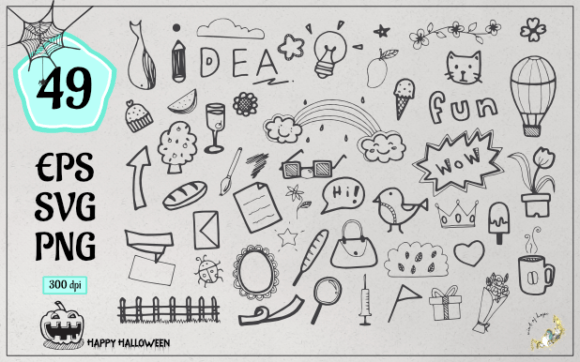
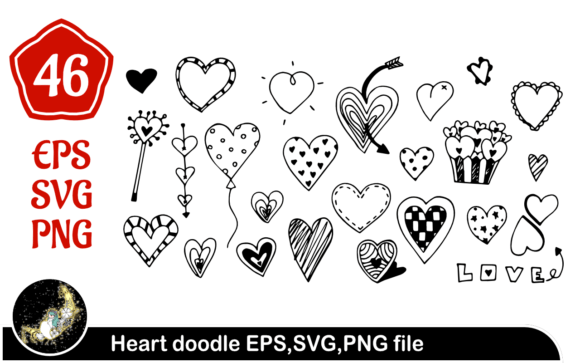
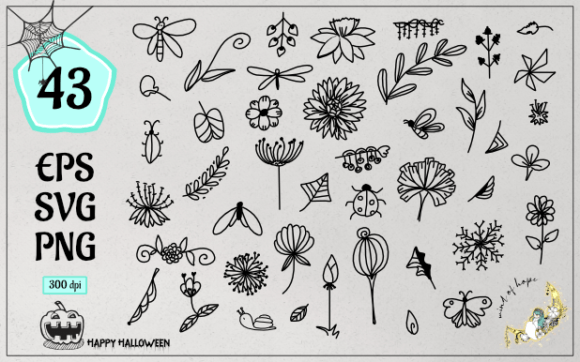
- PNG Files (300dpi with Translucent Background): Portable Network Graphics (PNG) with transparency are the workhorses of digital composition. A package offering 43 PNG files at 300 dots per inch (dpi) provides a rich library of variations. The translucent background allows these elements to be layered seamlessly over photos, textures, or colored backgrounds without awkward white boxes. The 300dpi resolution ensures that they look sharp in both digital presentations and print materials.
The inclusion of 43 distinct PNG variations is particularly noteworthy. It offers diversity in composition, allowing designers to choose the exact angle, bloom stage, or leaf arrangement that fits their layout. This variety prevents repetitive visuals and enables the creation of complex, layered compositions that feel dynamic and natural.
Integrating Floral Elements into Brand Strategy
For marketers and brand strategists, the use of floral doodles extends beyond decoration. These elements can be used to guide the viewer’s eye, frame key information, or soften the tone of a corporate message. Consider a financial tech startup aiming to appear more user-friendly. Incorporating subtle Flower Doodle Element graphics into their app interface or marketing emails can reduce the perceived complexity of their services, making the brand feel more accessible.
Furthermore, these elements are highly effective in seasonal campaigns. Spring and summer promotions naturally lend themselves to floral themes, but the versatility of doodle-style art allows for year-round usage. By adjusting color palettes—using muted tones for autumn or cool blues for winter—designers can adapt the same core assets to fit different seasonal narratives. This adaptability maximizes the return on investment for the asset purchase.
Workflow Efficiency for Freelancers and Agencies
Time is the most valuable currency for freelancers and creative agencies. The process of creating original illustrations from scratch is time-consuming and often billable at a high rate. However, not every project requires bespoke illustration. In many cases, a high-quality, customizable element is sufficient to achieve the desired visual impact.
By utilizing a pre-packaged set of Flower Doodle Elements, professionals can drastically reduce production time. Instead of spending hours sketching and digitizing a floral motif, they can import an EPS or SVG file, adjust the colors to match the client’s brand, and integrate it into the design within minutes. This efficiency allows creators to take on more projects or dedicate more time to high-level creative direction.
Moreover, the consistency provided by a single asset pack ensures visual coherence across a campaign. When all floral elements share the same artistic style, line weight, and aesthetic sensibility, the resulting designs feel unified and professional. This consistency is crucial for building strong brand recognition.
The Broader Context of Digital Asset Consumption
The popularity of resources like the Flower Doodle Element reflects a larger shift in how digital content is produced and consumed. We are moving away from a model where every pixel must be created from scratch toward a modular approach to design. In this model, creators assemble high-quality components to build unique experiences. This does not diminish creativity; rather, it elevates it by allowing designers to focus on composition, storytelling, and user interaction.
Technology has played a pivotal role in this transition. Advances in vector graphics software and web standards have made it easier than ever to manipulate and deploy these assets. The availability of files in multiple formats (EPS, SVG, PNG) ensures that these elements are future-proof. As new platforms and devices emerge, vector-based assets will continue to perform reliably, whereas raster-only assets may struggle to keep up with increasing screen resolutions.
Additionally, the trend toward remote work and global collaboration has increased the need for standardized, easily shareable assets. A zip file containing universally compatible formats can be shared instantly with team members across the globe, ensuring that everyone is working with the same high-quality resources. This reduces friction in collaborative projects and helps maintain quality control.
Practical Applications Across Industries
The versatility of floral doodle elements makes them relevant across a wide range of industries. In the wedding and events sector, they are used extensively in invitations, save-the-dates, and signage to create a romantic and elegant atmosphere. In the health and wellness industry, these elements convey naturalness, growth, and tranquility, aligning with brand values centered on holistic well-being.
E-commerce businesses also benefit from these assets. Product packaging, thank-you cards, and social media graphics can be enhanced with floral doodles to create a more memorable unboxing experience. For bloggers and content creators, these elements can break up text, add visual interest to headers, and create a cohesive aesthetic for their online presence.
Even in corporate environments, where minimalism often reigns supreme, subtle floral elements can be used to add sophistication to annual reports, presentation decks, and internal communications. The key is moderation and thoughtful integration. When used correctly, a Flower Doodle Element can elevate a standard document into a visually engaging piece of communication.
Conclusion
The Flower Doodle Element is more than just a decorative graphic; it is a tool that reflects contemporary design trends and meets the practical needs of modern creators. By offering a blend of organic aesthetics and technical versatility, these assets empower professionals to produce high-quality work efficiently. The inclusion of EPS, SVG, and high-resolution PNG files ensures that these elements can be adapted to any medium, from print to web.
As the demand for authentic, human-centered design continues to grow, resources that facilitate this style will remain invaluable. For entrepreneurs, marketers, and designers, investing in comprehensive asset packages is a strategic decision that enhances workflow efficiency and elevates brand identity. By understanding the technical specifications and potential applications of these elements, creators can leverage them to build compelling, visually cohesive narratives that resonate with their audiences.
In a digital world that often feels impersonal, the simple addition of a hand-drawn flower can make a significant difference. It invites warmth, suggests care, and connects the viewer to the human behind the screen. As we look to the future of design, the integration of such organic elements will likely continue to play a vital role in shaping how we communicate visually.