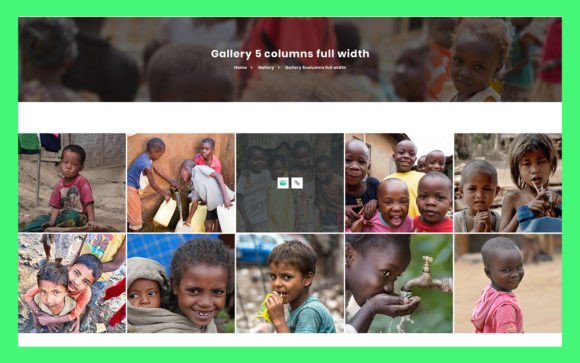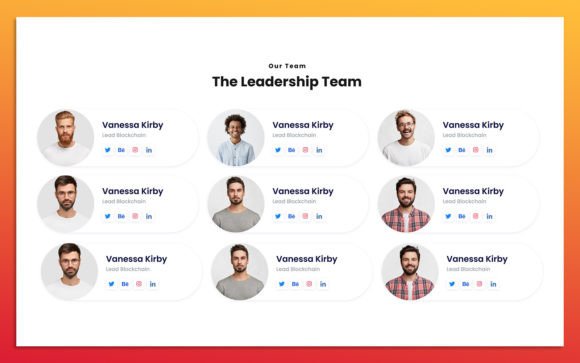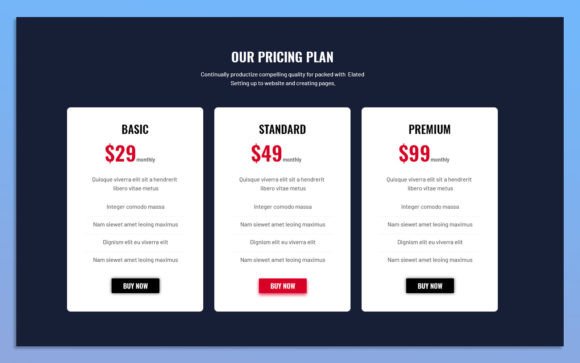
21 Portfolio UI Elements: Clean PSD Design
Creating a professional online presence often feels like a balancing act between aesthetic appeal and technical execution. For many, the barrier to entry is not a lack of creativity, but the time required to build a user interface from scratch. This is where a resource like 21 Portfolio UI Elements becomes invaluable. It serves as a bridge between conceptual design and a finished, polished product, offering a streamlined path for individuals and businesses who need high-quality visual assets without starting at zero.
This collection is designed with simplicity and flexibility in mind. By providing fully editable source files in PSD format, it allows users to leverage the power of Adobe Photoshop to customize every detail. Whether you are a seasoned designer looking to speed up your workflow or a beginner trying to understand layout structures, these elements offer a practical solution. The focus on clean, modern design ensures that the final output remains relevant and professional, regardless of the industry.
Understanding the Value of Pre-Built UI Components
At its core, this package includes twenty-one distinct user interface components tailored for portfolios. These are not just static images; they are organized, layered files that respect design hierarchy. The inclusion of RGB color profiles and Google Fonts means that the assets are ready for digital display immediately. For those unfamiliar with design terminology, RGB ensures colors look correct on screens, while Google Fonts provide typography that is both legible and web-safe.
The primary advantage here is customization. Unlike rigid templates that force you into a specific box, these elements are built to be modified. You can change color styles, adjust spacing, and rearrange layers to fit your brand identity. This level of control is crucial for maintaining authenticity. A portfolio should reflect the unique personality of the creator or the brand values of a business, and generic designs often fail to achieve this. With fully organized layers, the editing process becomes intuitive rather than frustrating.
Perspectives for Different Users
The utility of 21 Portfolio UI Elements varies significantly depending on who is using it. Understanding how different groups interact with these tools can help you decide if they align with your current needs.
For Beginners and Hobbyists
If you are new to web design or graphic arts, the learning curve associated with creating a portfolio can be steep. Beginners often struggle with alignment, white space, and font pairing. This kit acts as an educational tool as much as a design asset. By dissecting the organized layers in Photoshop, novices can see how professional designers structure their files. It provides a safe environment to experiment with color and layout without the fear of breaking a live website. For hobbyists, such as photographers or writers, the goal is often simply to showcase work clearly. These elements remove the technical hurdles, allowing them to focus on curating their best pieces rather than wrestling with software.
For Freelancers and Professionals
Experienced designers and developers value time above all else. When working on multiple client projects, rebuilding common UI patterns from scratch is inefficient. Professionals use resources like this to accelerate the prototyping phase. They can quickly assemble a mockup to present to a client, making adjustments to colors and fonts on the fly. The "simple and clean" aesthetic is particularly appealing here because it does not impose a heavy stylistic direction that might clash with a client’s brand. Instead, it offers a neutral, modern foundation that can be branded rapidly. For freelancers, this speed translates directly to higher profitability and the ability to take on more projects.
For Entrepreneurs and Small Business Owners
Business owners often wear many hats, including that of the marketing director. For them, a portfolio is not just a display of work; it is a sales tool. The priority is clarity and conversion. These UI elements help create a trustworthy and professional appearance, which is essential for establishing credibility with potential customers. Since the files are easy to edit, business owners with basic Photoshop skills can update their offerings or seasonal promotions without hiring an external agency for every minor change. The cost-effectiveness of using a pre-made kit versus custom design services is a significant factor for small businesses operating with limited budgets.
For Educators and Marketers
Educators teaching digital design can use these files as practical examples in their curriculum. They demonstrate best practices in layer organization and file management. Marketers, on the other hand, may use these elements to create landing pages or promotional materials that need to look cohesive with a company’s main website. The consistency provided by a unified UI kit helps in maintaining brand integrity across different platforms and campaigns.
Key Features and Practical Application
To get the most out of 21 Portfolio UI Elements, it is important to understand its technical specifications and how they translate to real-world use.
- Fully Organized Layers: This is perhaps the most critical feature. Each element is separated logically, meaning you can hide, show, or modify specific parts without affecting the rest of the design. This organization saves hours of searching for the right object in a complex file.
- Adobe Photoshop Compatibility: As one of the most widely used design tools, Photoshop ensures that a vast majority of users can open and edit these files. The PSD format preserves all editing capabilities, unlike flattened image formats.
- Google Fonts Integration: Typography plays a huge role in user experience. By utilizing Google Fonts, the design ensures that text is not only stylish but also optimized for readability across various devices.
- RGB Color Mode: Designed specifically for digital screens, the RGB color profile ensures that the vibrant colors you see in Photoshop are accurately represented when viewed on websites, tablets, and smartphones.
Consider a freelance graphic designer who needs to update their portfolio before a major conference. Using these elements, they can swap out old project images with new ones, adjust the accent color to match their new logo, and export the slices for web use in a fraction of the time it would take to design the layout from scratch. Similarly, a small architecture firm can use the clean lines and modern structure to present their building projects in a way that feels sophisticated and uncluttered.
Evaluating Fit for Your Project
Before downloading or purchasing any design resource, it is wise to assess whether it meets your specific criteria. Ask yourself what your primary goal is. If you need a highly unique, avant-garde design that breaks conventional rules, a standard UI kit might feel too restrictive. However, if your goal is clarity, professionalism, and efficiency, then a simple and clean design system is ideal.
Consider your skill level. If you are comfortable with Photoshop, you will appreciate the depth of control offered by the layered files. If you are a complete novice, you may need to spend some time watching tutorials on basic Photoshop functions to fully utilize the customization options. Yet, even for beginners, the structured nature of the file reduces the likelihood of errors.
Also, think about long-term usefulness. A well-organized PSD file is not a one-time use item. You can return to it months or years later to update your portfolio. The timeless nature of a modern, minimal design means it is less likely to look outdated compared to trendy, overly stylized templates. This longevity adds value, making it a smart investment for anyone serious about their digital presence.
In conclusion, 21 Portfolio UI Elements offers a pragmatic approach to web design. It balances ease of use with professional quality, catering to a wide range of users from students to established business owners. By providing a solid, customizable foundation, it empowers creators to focus on what matters most: their content and their audience.